You try to sign up for WhatsApp, Telegram, or a new social media account using a virtual number - and nothing happens. No SMS code arrives. Or worse, the app flashes a message saying your number isn't eligible for verification.
Frustrating, right?
The reason almost always comes down to one thing: VoIP. If you've ever wondered what that actually means - and why apps treat certain phone numbers like they're suspicious - this article breaks it down in plain terms.
What Does VoIP Actually Mean?
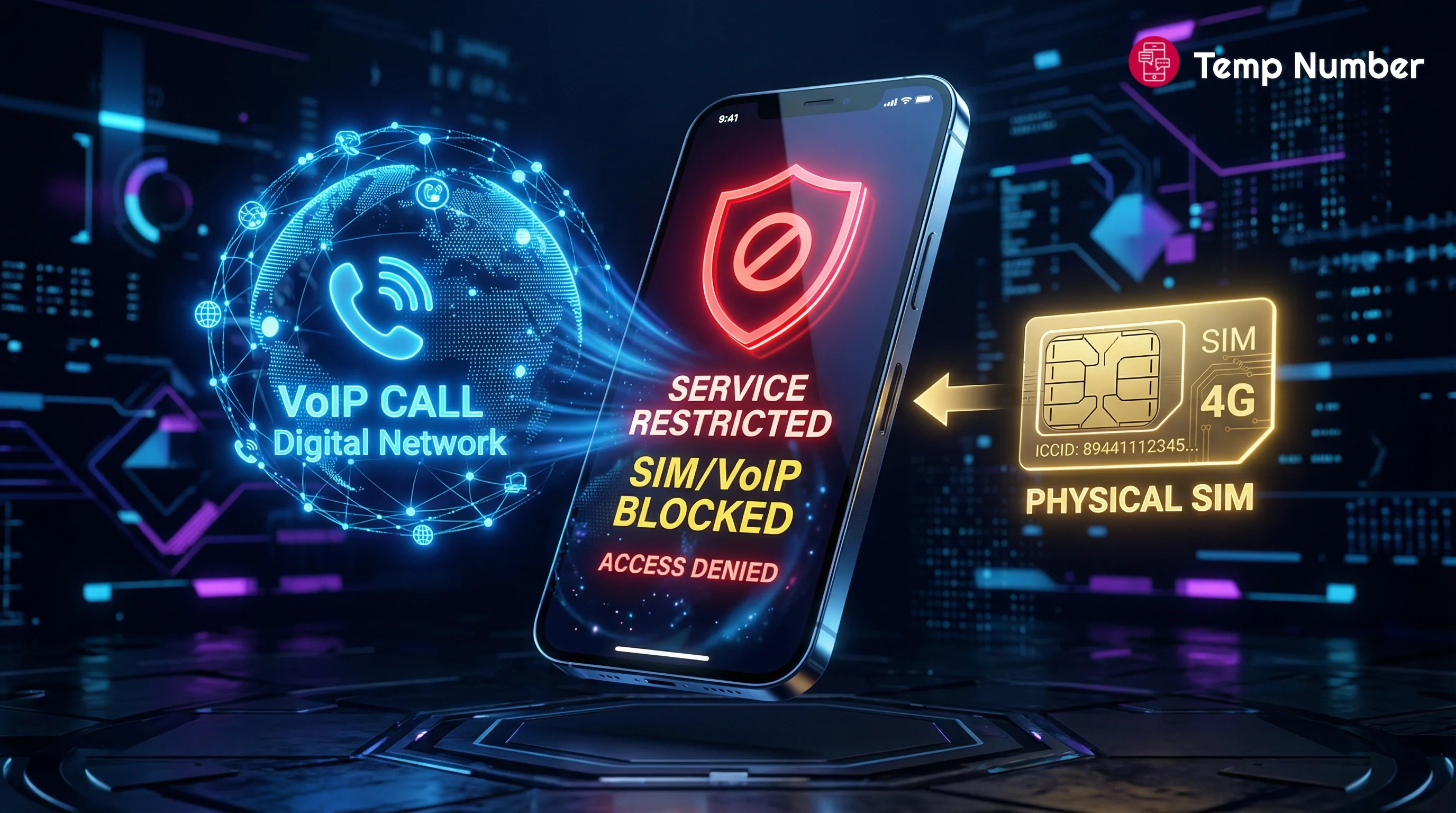
VoIP stands for Voice over Internet Protocol. The name is a bit technical, but the concept is simple: instead of using the traditional phone network (the same infrastructure that's been around since landlines), VoIP routes calls and texts through the internet.
Think of it like this. A regular phone call travels along physical carrier infrastructure - towers, cables, SIM cards. A VoIP call travels the same route your YouTube video or WhatsApp message takes: over data.
Services like Google Voice, Skype, TextNow, and Discord use VoIP. So do many of the free "temp number" apps you'll find if you search around. They give you a real-looking phone number - complete with area code - but underneath, it's internet-based, not tied to any physical SIM card or carrier.
That distinction - SIM-based vs. internet-based - is exactly what platforms look at when they decide whether to accept your number for verification.
What's a Non-VoIP Number Then?
A non-VoIP number is what most people think of as a "normal" phone number. It's connected to a physical SIM card and routes through a real mobile carrier - AT&T, T-Mobile, Vodafone, Dialog, or whichever carrier is in your country.
When you register on a platform using a non-VoIP number, the SMS verification code travels through the carrier's traditional messaging infrastructure, which is why delivery is fast and dependable.
Non-VoIP numbers are tied to a real carrier account. That means they're associated with a fixed location, a specific network, and an individual identity. Apps love this because it's much harder to abuse.
VoIP numbers, on the other hand, can be created in seconds by anyone, in any quantity, from anywhere in the world - with no identity attached. That's useful for privacy, but it's also exactly why platforms are suspicious of them.
Why Do Apps Block VoIP Numbers?
Here's the honest answer: spam, bots, and fraud.
Platforms that require phone verification aren't doing it just to collect your number. They're doing it because a real phone number is a friction point - it's something that's harder to fake at scale. When someone creates 500 fake accounts to run a scam or spam campaign, each account needs a separate phone number. Getting 500 real SIM cards is expensive and slow. Getting 500 VoIP numbers takes about 10 minutes.
So platforms started blocking them. The process works like this: when you submit a phone number for verification, the app quietly queries a carrier lookup database in the background before even sending the SMS code. That database classifies every number as either a mobile carrier number, a landline, or a VoIP line. If it comes back as VoIP, many apps reject it automatically - before you ever see an error message.
As of 2026, roughly 70-80% of major platforms actively block VoIP numbers using carrier lookup databases - and the trend is accelerating. Financial services block them almost universally. Social media platforms vary, but the stricter ones - WhatsApp, Google, Telegram, TikTok - have had VoIP filtering in place for years now.
The rejection often happens silently. You submit the number, wait for an SMS that never comes, and assume the service is broken. In reality, your number was flagged before the code was even generated.
Which Apps Block VoIP Numbers?
The list is long and growing. Here are the platforms users most commonly run into issues with:
| App | Blocking Behavior |
|---|---|
| One of the strictest. It rejects VoIP numbers, landlines, and toll-free numbers entirely. | |
| Google (Gmail, YouTube, etc.) | Restricts VoIP numbers during account creation. |
| Telegram | Generally accepts some virtual numbers, but actively blocks known VoIP ranges. |
| Instagram and Facebook | Increasingly strict, especially for new account creation. |
| TikTok | Flags VoIP numbers during sign-up in most regions. |
| PayPal, Stripe, and most banking apps | Block VoIP almost without exception. |
| Amazon and eBay seller accounts | Require carrier-verified numbers. |
Interestingly, not all apps are this strict. Policies vary widely, and many services accept VoIP numbers without any issue. The pattern is roughly: the bigger and more security-conscious the platform, the more likely it restricts VoIP.
So Does That Mean Virtual Numbers Don't Work for Verification?
Not exactly - and this is where it's worth being precise.
There's a difference between "VoIP numbers" and "virtual numbers." The two terms get used interchangeably online, but they don't mean the same thing.
A VoIP number is internet-routed, as explained above. A virtual number can refer to any number you access through an app or service - including numbers that are backed by actual SIM cards connected to real carrier networks.
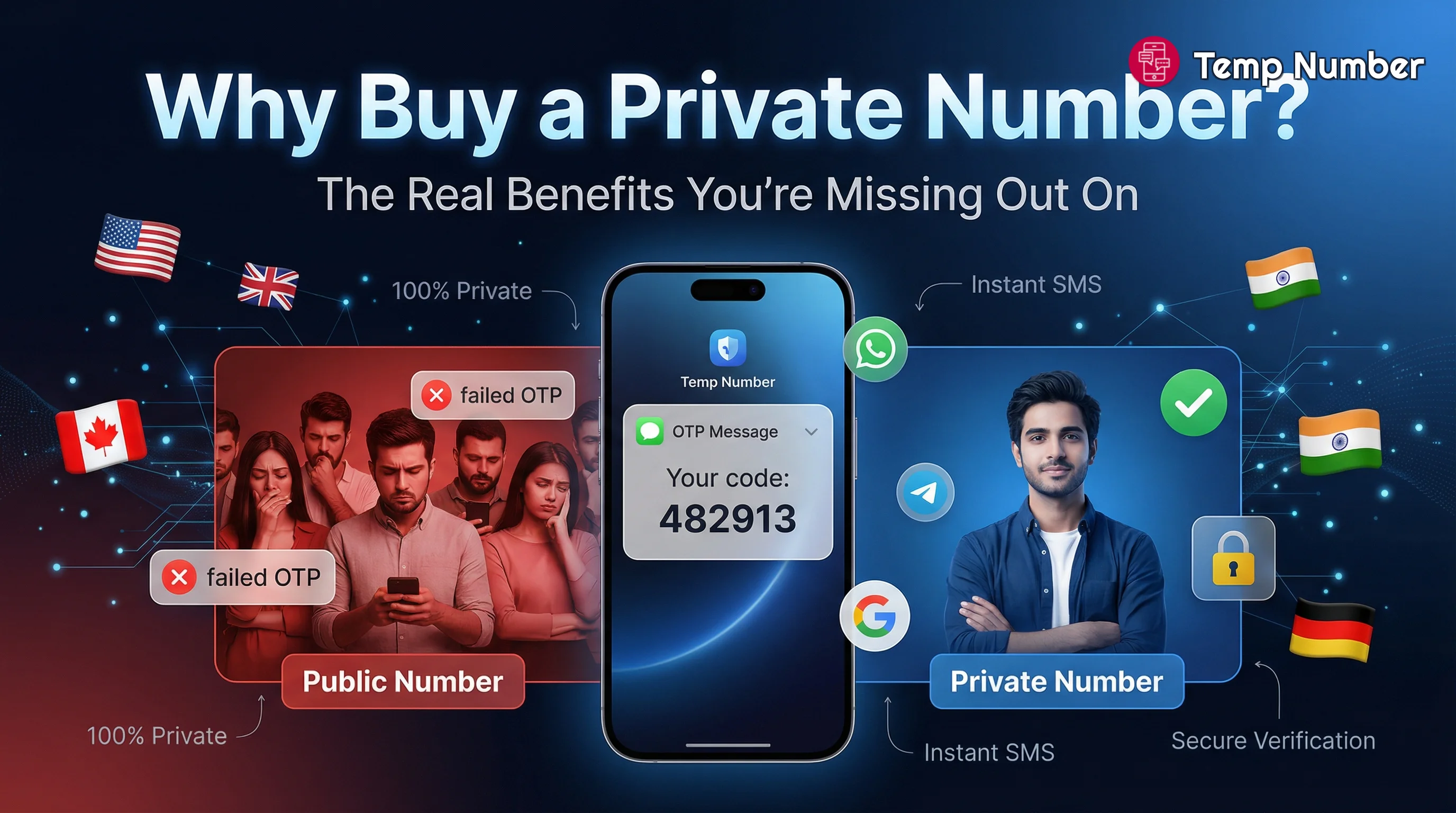
Some temp number services - including Temp-Number - offer both types. The free shared numbers are typically VoIP-based, which works perfectly for many apps but may not clear the strictest platforms. The premium private numbers are often non-VoIP - real carrier-backed mobile numbers, which is why their SMS delivery is far more reliable.
So if verification codes from a particular service never arrive on a free shared number, a dedicated non-VoIP number will usually receive them reliably. Whichever type you use, make sure your account complies with that platform's terms of service.
A Practical Guide - Which Type of Number to Use Where
Here's a simple breakdown to save you the trial and error:
Free VoIP numbers work well for:
Smaller apps and websites that don't have strict fraud detection
One-time verifications on less sensitive platforms
Testing SMS flows in your own apps and services during development
Any situation where you just need a quick code and the platform isn't on the strict list above
Non-VoIP (carrier-backed) numbers work better for:
Platforms that only deliver SMS to carrier-backed mobile numbers
Accounts you plan to keep long-term and renew over time
Situations where dependable SMS delivery matters
For services that require your verified identity - banking, payments, and other financial apps - always use your own personal number, since those tie the number to your legal identity.
The rule of thumb is simple: if dependable delivery matters, choose a dedicated non-VoIP number - and always use it within the platform's terms of service. The cost difference is usually small, and it saves a lot of frustration.
Why Does This Matter for Privacy?
There's an important flip side to this whole conversation.
Yes, VoIP numbers face more friction on strict platforms. But the reason they exist - and the reason people use them - is still completely valid. Handing your real phone number to every app, website, or service you sign up for is genuinely risky.
Phone numbers are permanent identifiers. Data brokers use them to link your activity across platforms. A breach at one app can expose your number to thousands of others. If a bad date, a scammy seller, or an annoying service gets your real number, there's no clean way to take it back.
A virtual number - whether VoIP or non-VoIP - solves that problem. You use it to verify, keep your real number out of the platform's database, and move on. If the number gets compromised or spammed, you don't use it anymore. Your real number stays untouched.
The VoIP blocking issue is real, but it's not a reason to stop using virtual numbers for privacy. It just means choosing the right type of number for the right platform.
The Short Version
If you want a one-paragraph summary to bookmark:
VoIP numbers are internet-based virtual phone numbers - cheap, instant, and useful for privacy but often blocked by major platforms because they're associated with spam and fake accounts. Non-VoIP numbers are carrier-backed mobile numbers with far more dependable SMS delivery. If verification codes never arrive on a free number, the number type is usually the reason. A dedicated non-VoIP number from a service like Temp-Number gives you reliable delivery while keeping your real phone number private - just make sure however you use it stays within each platform's terms.
Temp-Number offers both free shared numbers and premium non-VoIP private numbers across 30+ countries. Try it at temp-number.com - no account required to get started.